





PCI Compliance for Thrift Stores: 2026 Guide + Checklist
In thrift retail, the smallest purchases often make the biggest impact.
An impulse buy is a clear example of this — a purchase made quickly with little thought, typically a low-cost item the customer wasn’t actively looking for.
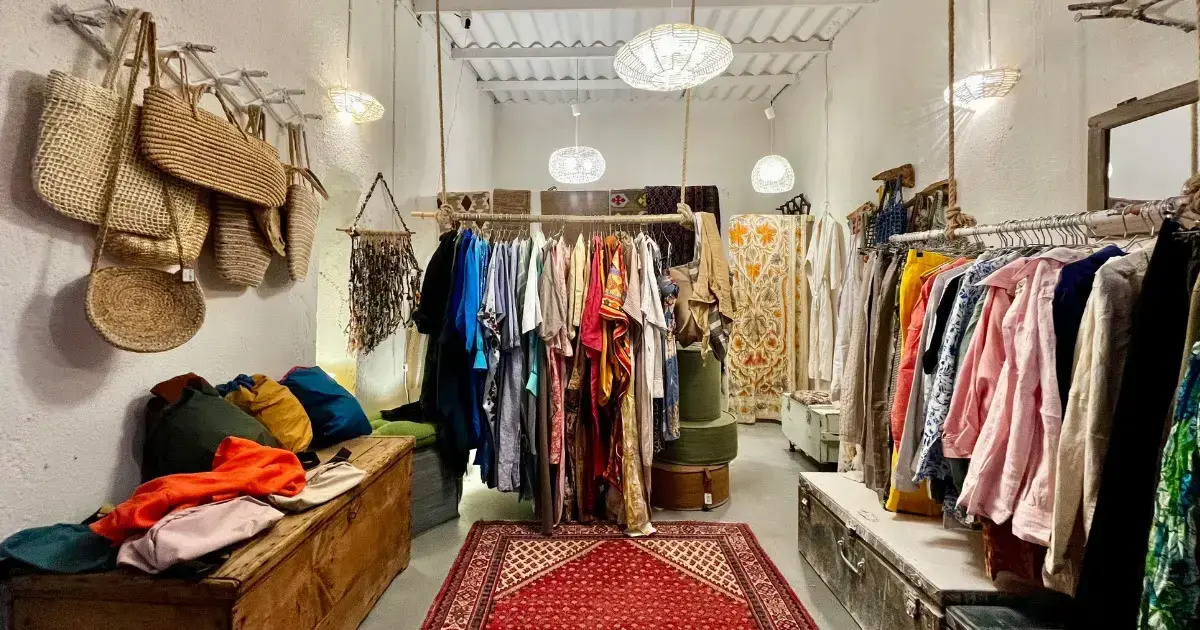
Because thrift stores source most of their inventory from donations, they offer one-of-a-kind finds rather than rows of identical merchandise. That treasure-hunt experience attracts shoppers who are open to unexpected discoveries, especially in the clothing category.
In this blog, we’ll explain why impulse buys matter for thrift stores, which products perform best, and how to increase them for your business.
Let’s dive in.
Why Thrift Stores Thrive on Impulse Buys
Did you know that Gen Z shoppers make twice as many impulse purchases as the average consumer? Thrift stores are uniquely positioned to capitalize on this growing trend.
Here’s why spontaneous purchases play a key role in thrift retail:
- Variety: Thrift stores tend to offer a more diverse mix of products than traditional retailers. This creates a “treasure hunt” mindset, with shoppers on the lookout for unique, unexpected finds rather than a specific item.
- Scarcity: Traditional retailers routinely restock products. In thrift retail, shoppers know that once an item’s gone, it’s gone. This creates a sense of urgency to buy on the spot.
- Low price points: Prices in thrift retail are typically lower than those in traditional retail — making it easier for shoppers to say yes to an impulse purchase. Running limited-time or color-coded discounts leads to even stronger sales.
- Larger basket size: Thrift store owners are always looking for resourceful ways to boost sales. Encouraging impulse buys increases the average ticket size and brings in more revenue from the same number of customers.
Given these unique qualities of thrift retail, promoting impulse buys can be an especially effective strategy for your business.
What Items Make the Best Impulse Buys?
Some products sell more spontaneously than others. Here are a few examples:
- Small, low-cost items: Accessories like sunglasses, scarves, and belts, along with kids’ toys and games, are easy items to toss in a shopping cart as customers browse.
- Unique clothing pieces: Most thrifters walk in hoping to discover something new and different, which is why clothing is often bought on a whim. They might stumble upon vintage outfits, graphic tees, jackets and coats, and one-of-a-kind statement pieces.
- Distinctive home goods: Quality home goods are also common impulse buys — including mugs, kitchen gadgets, picture frames, and seasonal decorations. When you’re getting a table lamp for half as much as you’d pay at a retail store, it feels like an opportunity too good to pass up.
Pro tip: Ask for items like these as donations to encourage more impulse buys among your customers.
Related Read: Donation Management Software for Thrift Stores: 5 Features You Actually Need
Where Impulse Items Perform Best
Now that you know what types of items people buy on impulse, it’s time to decide where to position them. There are a few prime spots to emphasize quick purchases:
- At the register: It’s common for customers to make last-minute purchases as they’re waiting to check out. Put a “grab-and-go” station close by with low-priced goods ($1–$5) to encourage quick additions to a shopper’s cart.
- At eye level: Merchandise at customers’ eye level is highly visible and grabs their attention. Strategically placing unique items at eye level creates more buzz around them.
- In displays: The most direct way to highlight certain products is to create in-store displays and make them the focal point of the sales floor. Combine coordinating products and set them up near the entrance to encourage browsing.
Choosing the right items and placement helps you sell easy-to-grab items more quickly.
Related Read: 7 Thrift Store Layout Ideas To Try Now
Smart Ways To Increase Basket Size
Use these strategies to increase sales with every transaction.
Encourage Add-Ons at Checkout
Place low-cost impulse buys at or near checkout, and train your staff to suggest these products to customers as they ring them up. They might say, “Would you like to add any item from this shelf for just $3?”
This is a great opportunity to advertise special promotions and discounts. If you’re running a deal on toys and games, for example, an employee might mention that all toys and games are half off, giving customers a chance to take one more look before checking out. Even if only a fraction of shoppers buy additional items, these small increases lead to larger sales growth over time.
Keep Impulse Displays Fresh
If the same merchandise stays on the shelves for too long, shoppers start to lose interest. Rotate displays, clearance bins, and discount clothing racks occasionally to keep customers engaged. Changing your thrift store’s layout regularly keeps the treasure-hunt feeling alive and encourages customers to come back sooner rather than later.
Track Your Progress and Adjust
How can you tell if your strategies are working? Looking at overall revenue and profits can give you an idea, but to truly understand your business, you need access to specific data. Modern point of sale (POS) systems provide customizable sales reports that let you track sales by category and over certain time periods.
Let’s say you’ve set up a seasonal display in early December. At the front of your store, there’s Christmas sweaters and home decor strategically placed in hopes of prompting spontaneous purchases. Pay close attention to how each display item sells compared with other products in the store. Based on your observations, take note of your most effective strategies and repeat them in the future.
You can also track the average ticket value to see if highlighting impulse buys is increasing this metric. Analyzing sales patterns leads to insights that improve how you manage your store.
Related Read: Are Thrift Stores Profitable? Here’s Your Answer
Use Impulse Buys to Your Advantage With ThriftCart
Impulse buys make up an important portion of thrift store sales, and intentionally promoting them can help boost revenue for your business.
Digital tools make these strategies easier to implement. ThriftCart is a cloud-based POS solution designed specifically for thrift stores. With our all-in-one system, you can add upsell prompts at the checkout counter to increase basket size, run color-based discounts, and create customized reports to track your data.
ThriftCart also includes general retail features like inventory management, e-commerce capabilities, and marketing tools. To see what ThriftCart can do for your business, schedule a demo today!

With three years in the thrift industry during a pivotal shift to omnichannel selling, Kyle Payton helps stores better manage inventory and forecast product needs. As General Manager at ThriftCart, he focuses on equipping nonprofit thrift operations with point of sale technology that makes their day-to-day operations easier.
Kyle's passion lies in helping thrift store managers embrace digital solutions that support their unique mission and maximize their impact in the community.
"Supporting nonprofits is incredibly rewarding. I’m here to provide thrift store managers with the tools they need to thrive, so they can continue making a positive difference in their communities."